Energy Consumption
Thermal Comfort
Lighting Performance
Dispersion
HVAC Efficiency
Energy Consumption
Thermal Comfort
Lighting Performance
Dispersion
HVAC Efficiency
Transform your building’s performance and value. Reduce operational costs, achieve sustainability goals, and ensure your design meets the highest Carbon-efficiency standards.
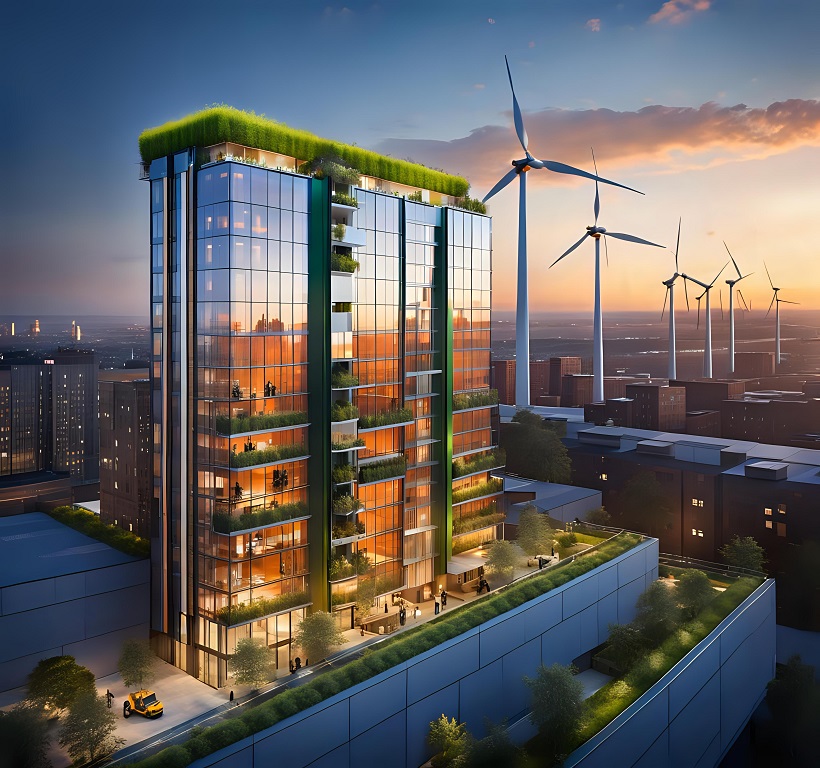
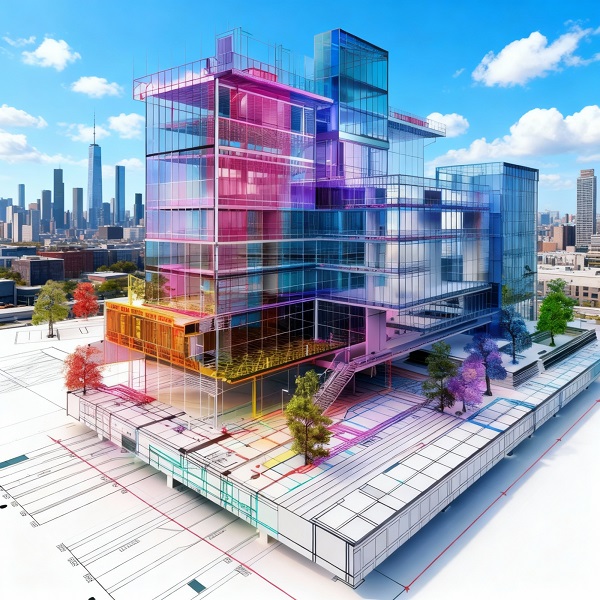
A low-carbon building reduces energy use through efficient technologies, smart design, and sustainable materials while maintaining comfort, functionality, and environmental responsibility.
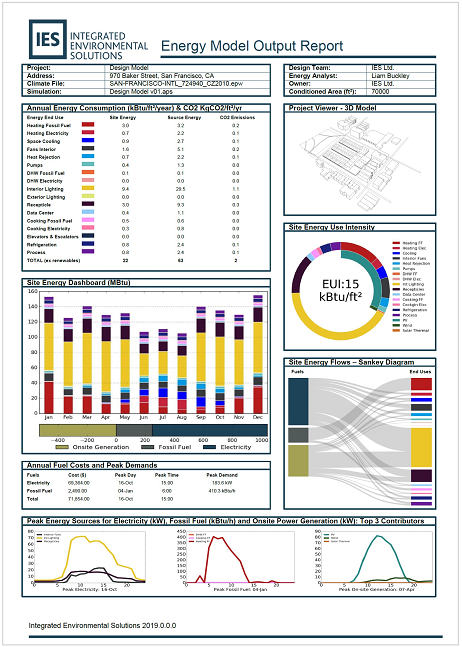
Our technique provides precise information about building performance, including energy flows, comfort levels, and efficiency indicators. Visual dashboards and simulation-based analysis allow you to reliably make design and operational choices.
Project Summary & Energy Targets
Annual Energy Usage Breakdown
Thermal Comfort Analysis
Monthly Energy Dashboard
HVAC System Efficiency Overview
Energy Flow Diagrams
Peak Load Analysis
Lighting efficiency metrics
Our services assist you in making sound, educated decisions about designing energy-efficient, high-performance buildings that maximise comfort, minimise energy consumption, and promote sustainability.

Reduce energy use and carbon emissions.

Optimised systems lead to lower utility bills.

Meet the LEED, ASHRAE, and local green building criteria.

Before beginning construction, test energy-efficient design techniques.

Estimate real-world performance and long-term savings.
Examine walls, roofs, floors, and glass to reduce heat transmission.
Optimise insulation materials and location to lower heating and cooling demands.
Determine the most effective orientation and building solutions for seasonal comfort.
Reduce energy consumption while preserving interior thermal comfort.
Assess window-to-wall ratios, glazing options, and solar control measures.
Create shade solutions such as overhangs, louvres, or dynamic facades.
Balancing daylight access, solar heat gain, and glare reduction.
Increase passenger comfort while reducing energy use.
Analyse the building's layout and openings to encourage natural airflow.
Incorporate courtyards, atriums, and wind corridors to improve cooling.
Reduce your dependency on mechanical HVAC systems with passive design.
Improve indoor air quality and thermal comfort in a sustainable manner.
Use climate-specific data and simulation techniques to guide design decisions.
Encourage sustainable, low-carbon design outputs with quantifiable results.
Temperature, humidity, sun radiation, and wind patterns all affect building performance.
Enable data-driven initiatives for envelope improvement and energy reduction.
We use experience, sustainable techniques, and cutting-edge tools to create high-performance structures.


Our team includes specialists with vast expertise in residential, commercial, educational, and healthcare projects, offering competent advice at all stages.

We collaborate closely with architects, engineers, and contractors to incorporate sustainable techniques into the design and construction phases.

We offer clear, visual insights along with prioritised recommendations for reducing energy usage, increasing efficiency, and lowering emissions.

Using industry-standard simulations, dashboards, and analytics, we provide exact, data-driven recommendations for high-performance, low-carbon buildings.




Investing in low-carbon initiatives provides measurable, long-term advantages throughout a building's existence.

Carbon solutions provide significant and verifiable advantages throughout a building's lifespan.

These solutions contribute to lower long-term operational costs by lowering carbon use.

Data-driven validation assures maximum performance, efficiency, and passenger comfort.

Early integration of sustainability measures makes it easier to comply with green construction rules and certifications.

Low-carbon, high-performance buildings attract premium tenants and command higher market valuations.

Reduce greenhouse gas emissions while promoting a more sustainable future.