Design Optimisation & Performance Analysis
Climate & Site Studies
Thermal Envelope Studies
Thermal Comfort Studies
Design Optimisation & Performance Analysis
Climate & Site Studies
Thermal Envelope Studies
Thermal Comfort Studies
Our Building Energy Modelling (BEM) use advanced simulations to predict energy consumption, verify design decisions, and achieve quantifiable savings while promoting low-carbon objectives.
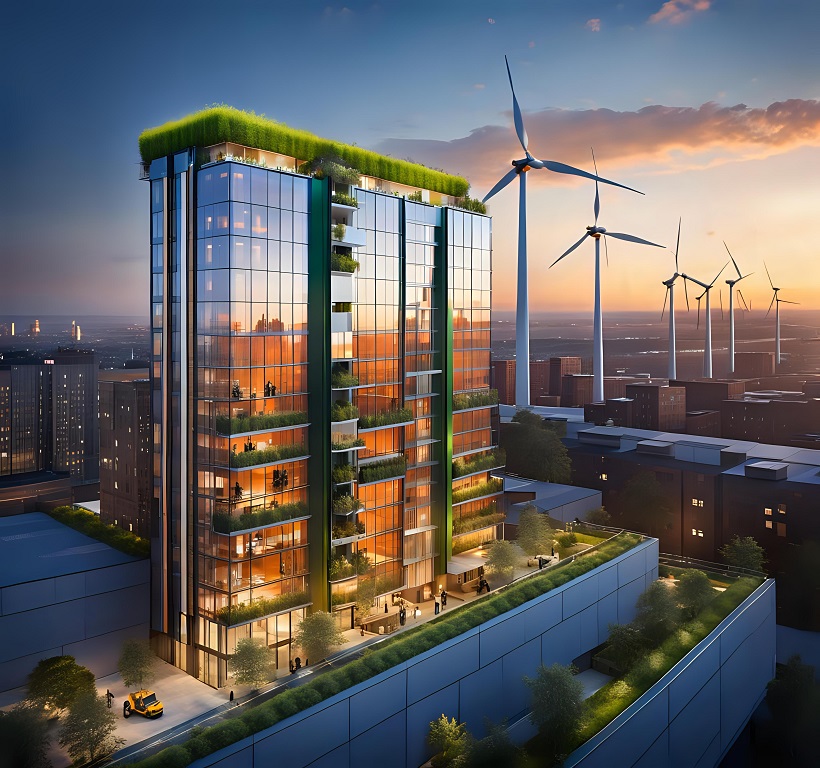
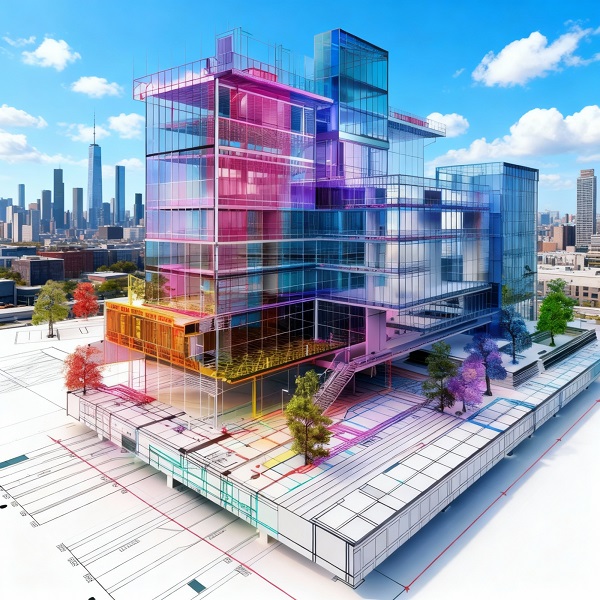
Building Energy Modelling (BEM) makes data-driven decisions to optimise systems, cut costs, and accomplish sustainability goals throughout design and operation by simulating energy use, thermal performance, HVAC, lighting, and comfort.
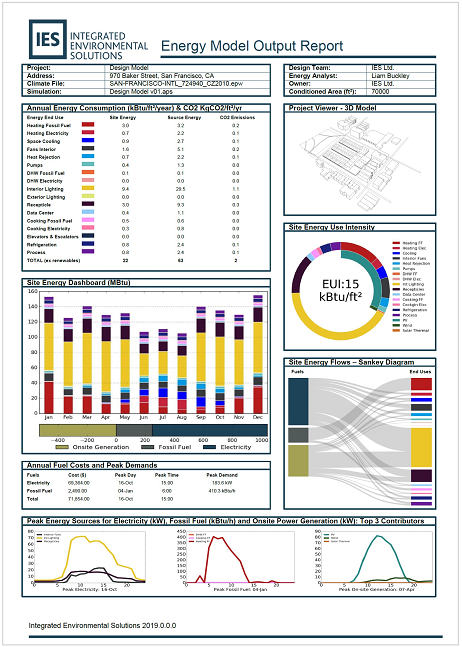
Our Energy Model Report, like advanced software reports such as IES VE, provides deep insights via visual data and simulations. For speedy comprehension and decision-making, it offers both graphical and analytical outputs.
Project Summary
3D Building Simulation View
Monthly Energy Dashboard
Energy Flow Diagram (Sankey)
Annual Energy Consumption
Energy Use Intensity (EUI)
Annual Fuel Cost & Peak Demand
Peak Load Profiles
Our professional energy modelling services provide you with the data-driven insights you need to make wise, economical choices that result in a building with genuinely high performance.

Find ways to cut carbon emissions and energy consumption.

Reduce operating expenses and utility expenditures by optimising systems.

Comply with local green building regulations, LEED, and ASHRAE.

Before building begins, test several design options.

Estimate the performance of buildings in real-world scenarios
We provide a wide range of services adapted to each step of your project.
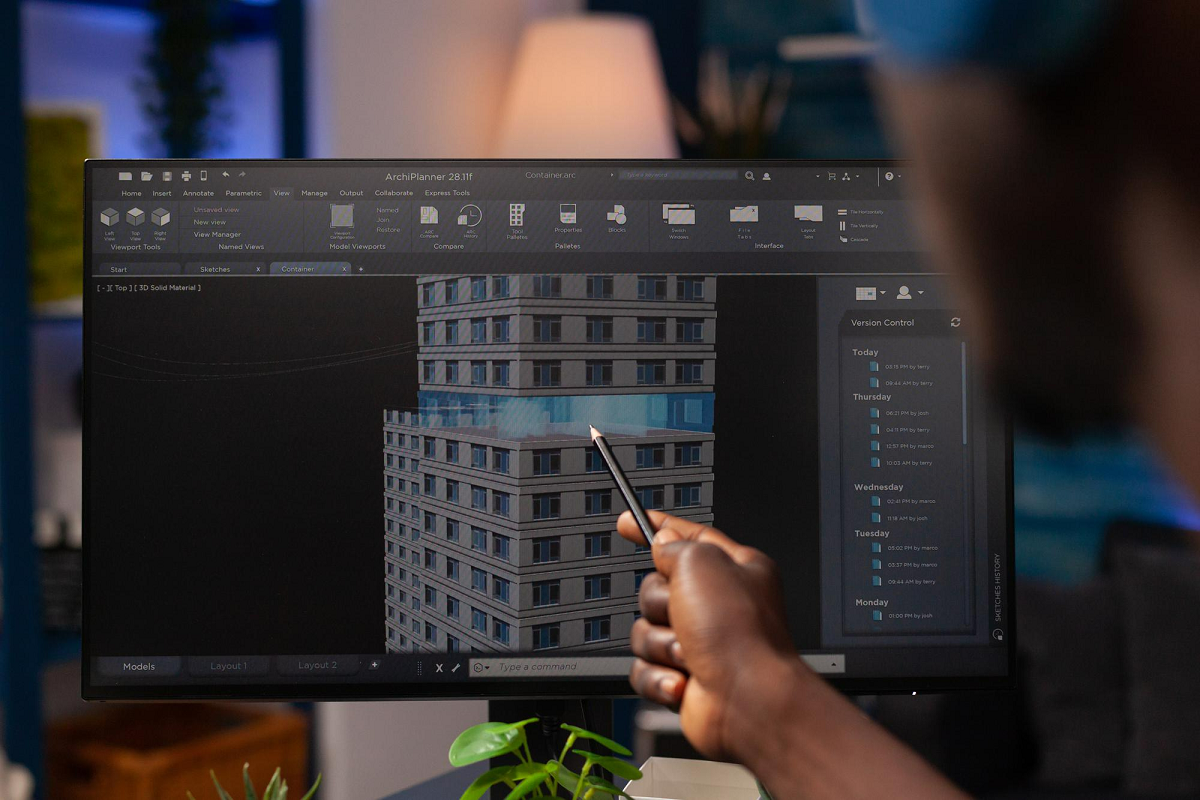
Early-Stage Massing & Orientation Studies: Determine the best shape and position for your building to minimise solar gain and maximise daylighting.
System Sizing & Selection: Accurately size HVAC equipment to avoid costly oversizing and ensure optimal performance.
Baseline vs. Proposed Analysis: Compare your design against industry standards (like ASHRAE 90.1) or codes to demonstrate energy savings and compliance.
Design Optimisations: Implementation of research-based methodologies in optimising various design parameters to achieve multiple objectives. The study uses parametric and multi-objective genetic algorithms.
Wind patterns and passive ventilation: Analyse airflow behaviour to determine the best apertures and building shapes for natural cooling and interior air quality.
Solar exposure and shading analysis: Study the annual sun paths to create shading elements that effectively balance daylight access and heat control.
Microclimate Impact: Examine the surrounding characteristics, such as flora, topography, and building environment, to reduce heat gain, increase comfort, and enhance energy efficiency.
Data-driven insights: Use local meteorological datasets to inform sustainable and climate-responsive design methods.
U-Value and R-Value Optimisation: Assess insulation systems and façade assemblies for improved thermal resistance and overall energy efficiency.
Glazing Performance Analysis: Simulate glazing alternatives, ratios, and coatings to find the optimal mix of daylighting, heat control, and visual comfort.
Thermal Bridging Mitigation: Identify and fix possible heat transfer points to decrease energy loss and increase envelope durability.
Envelope Efficiency Assessment: Use material performance data to create a durable, high-performing building skin that provides year-round comfort.
Predicted Mean Vote (PMV) and Predicted Percentage of Dissatisfied (PPD): We use ASHRAE Standard 55 to forecast comfort levels across zones based on temperature, humidity, and air movement.
Operative Temperature Mapping: Shows the combined effects of temperature, heat, and airflow.
Natural Ventilation Assessment: Assesses passive airflow efficiency and cooling performance.
Adaptive Comfort Analysis: Evaluates climate-responsive comfort under various scenarios.
Mandatory Code Compliance: Create extensive simulation results and documentation to show compliance with local, national, and international building energy codes.
Green Building Certification: Support LEED, IGCC, and other certifications with precise modelling documentation.
Performance Validation: Verify that the design meets the needed comfort and efficiency standards.
Regulatory Reporting: Prepare structured reports that comply with mandated sustainability and energy requirements.
Benchmarking & Calibration: We use historical utility data to create a calibrated model that accurately reflects actual building performance and energy behaviour.
Measure Analysis: Evaluate Energy Conservation Measures to estimate savings and return on investment.
System Optimisation: Identify inefficient equipment operations and improve performance while reducing energy waste.
Retrofit Validation: Verify post-retrofit results to confirm expected energy and cost reductions.
We use environmental knowledge and data modelling to create spaces that balance comfort and efficiency.


Our team of professionals has extensive experience in a variety of building types (commercial, residential, educational, and healthcare) and advanced certifications.

We easily integrate the modelling process into the design workflow while collaborating with contractors, engineers, and architects.

We provide concise, visually appealing reports that go beyond simple facts and offer specific, major suggestions for optimising savings.

We make use of industry-leading tools (such as EnergyPlus, DesignBuilder, and IES-VE) to guarantee precision and detail in each simulation.




An investment in energy modelling will pay off over the course of your building's lifecycle:

Identify possibilities to cut expected energy usage, resulting in cheaper electricity bills for decades.

Make sure you choose the most economical and effective materials and systems by using data to validate design choices.

Simplify the regulatory procedure by demonstrating code compliance early on.

Rents and market values for certified high-performance buildings are greater.

Reduce the carbon footprint of your building to help create a healthier planet.