Daylight analysis
Glare control
Visual comfort
Energy savings
Daylight analysis
Glare control
Visual comfort
Energy savings
Natural light can reach its greatest potential to increase occupant comfort and energy efficiency and design brighter, more sustainable environments with daylight modelling.
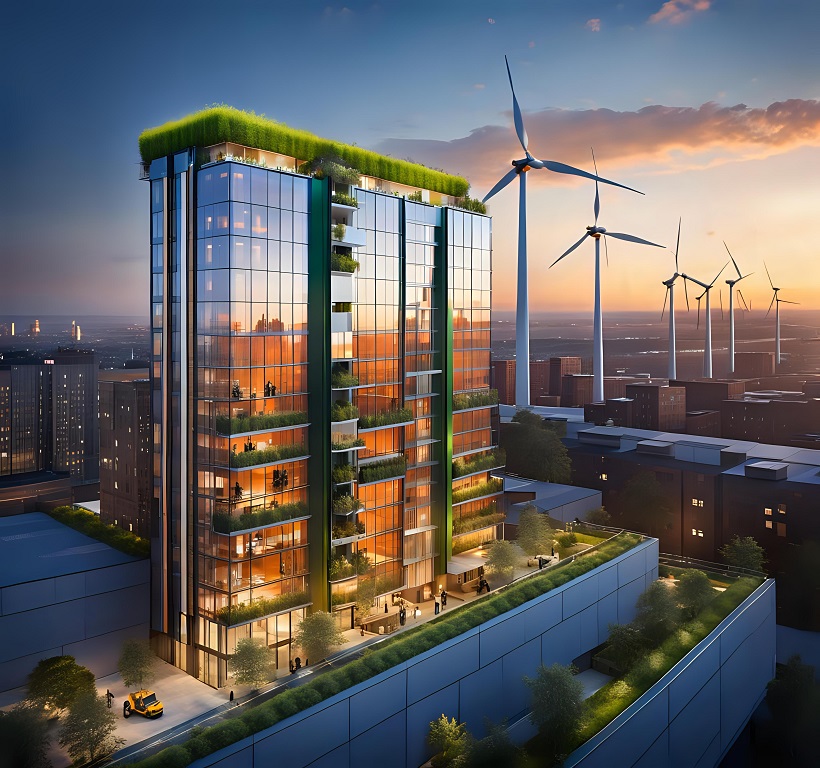
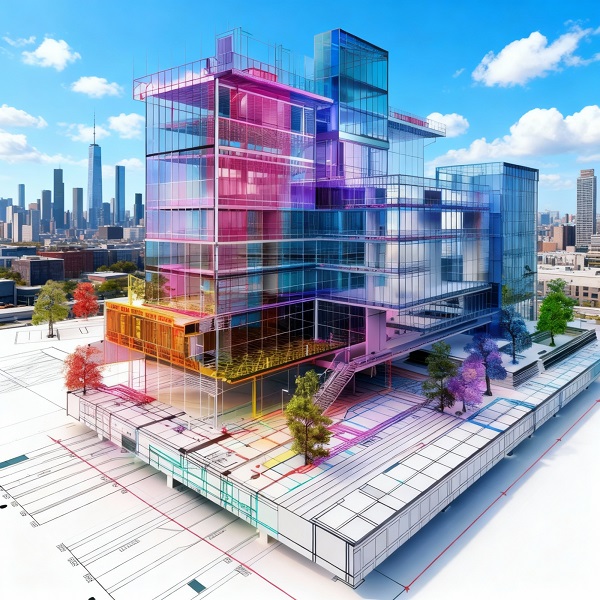
It replicates natural light to optimise window location, glass, and shading, increasing comfort, reducing glare, and creating efficient, uplifting environments year-round.
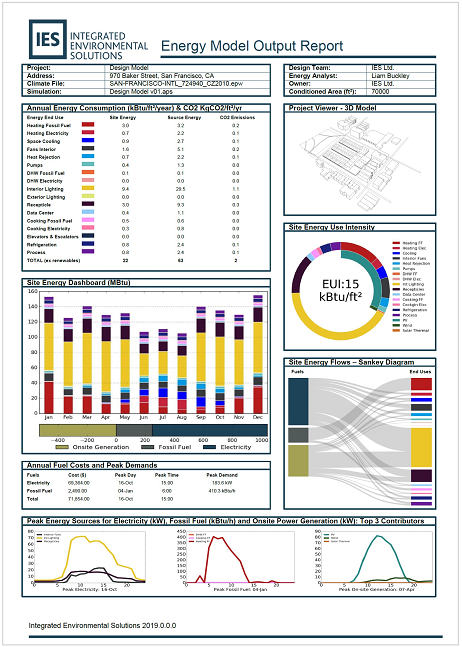
Our Daylight Model Report provides rich visual and analytical insights utilising modern simulation tools like Radiance, DAYSIM, and ClimateStudio, offering clear images and metrics for evaluating light distribution, glare, and daylight performance efficiently.
Project Overview & Key Parameters
Annual Daylight Availability Map.
Spatial Daylight Autonomy (sDA) Visualisation
Annual Sunlight Exposure (ASE) Analysis.
Heatmaps: Daylight Glare Probability (DGP)
Useful Daylight Illuminance (UDI) Graphs.
Daylight Factor Contour Plots
3D visualisation of the interior daylight distribution.
We use the industry's most advanced daylight analysis technique, Climate-Based Daylight Modelling (CBDM), to assess daylight performance with real-world accuracy. CBDM, unlike static systems like Daylight Factor, which rely on a single overcast-sky scenario, utilizes hourly climatic data specific to your individual project area. This dynamic technique simulates sky conditions throughout the year, including clear skies, overcast periods, and changing sun angles.
| Metric | What it Measures | Why it Matters |
|---|---|---|
|
Spatial Daylight Autonomy (sDA) |
The percentage of floor area that meets a minimum daylight illuminance level (e.g., 300 lux) for a defined portion of the occupied year. |
The percentage of floor area that meets a minimum daylight illuminance level (e.g., 300 lux) for a defined portion of the occupied year. |
|
Annual Sunlight Exposure (ASE) |
The percentage of floor area that receives too much direct sunlight (e.g., over 1,000 lux) for too many hours. |
Helps you design effective shading devices to prevent glare and avoid unwanted solar heat gain |
|
Daylight Glare Probability (DGP) |
The likelihood that occupants will experience visual discomfort (glare) from high-luminance sources, such as windows. |
Ensures occupant comfort and productivity, especially in workspaces and educational facilities. |
|
Useful Daylight Illuminance (UDI) |
The percentage of time illuminance falls within a comfortable and useful range (e.g., 100-2,000 lux). |
Provides a holistic view of both light sufficiency and excessive light (glare risk). |
Our daylight modelling services combine data-driven research with design knowledge to create bright, pleasant, and energy-efficient workplaces that inspire while increasing performance.

Optimise light levels and eliminate glare to create balanced, pleasant environments.

Use natural light instead of artificial lighting and cooling.

Compare daylight performance to improve façade and shading.

Get LEED, WELL, and BREEAM daylight credits.

Natural light can help you feel better, be healthier, and work more effectively.
Trusted experience, a creative approach, and tailored solutions that promote long-term success.


We maximise sunshine penetration while minimising glare, allowing daylight controls to dim or turn off lights, lowering energy consumption and cooling requirements.

Our clever daylight-harvesting systems automatically manage lighting settings, resulting in increased energy efficiency, improved visual comfort, and lower operational costs.

We provide comprehensive lighting analysis and documentation to help your project earn LEED, WELL, and BREEAM credits for sustainable certification.

Our studies evaluate solar heat gain via windows to determine the best glazing and shading solutions for balancing daylight quality and interior comfort.





Integrating daylight analysis early provides energy savings, occupant comfort, and long-term, high-performance design solutions.

Maximise natural light to reduce electric lighting requirements, energy expenses, and cooling loads.

High-quality sunlight enhances mood and productivity and reduces eye strain, resulting in healthier indoor environments.

Before construction begins, identify problematic glare or overheating areas and incorporate cost-effective shading measures.

Provide accurate data to easily earn LEED and WELL daylighting and visual comfort credits.

Adjust window-to-wall ratios, glazing characteristics, and shading devices to provide optimal light and thermal efficiency.